Your First Tax Return as an Uber Driver: A Step-by-Step Guide
Nobody tells you any of this when you pass your PHV assessment. Here is the whole process from registering with HMRC to paying your first bill.
Published 1 July 2026
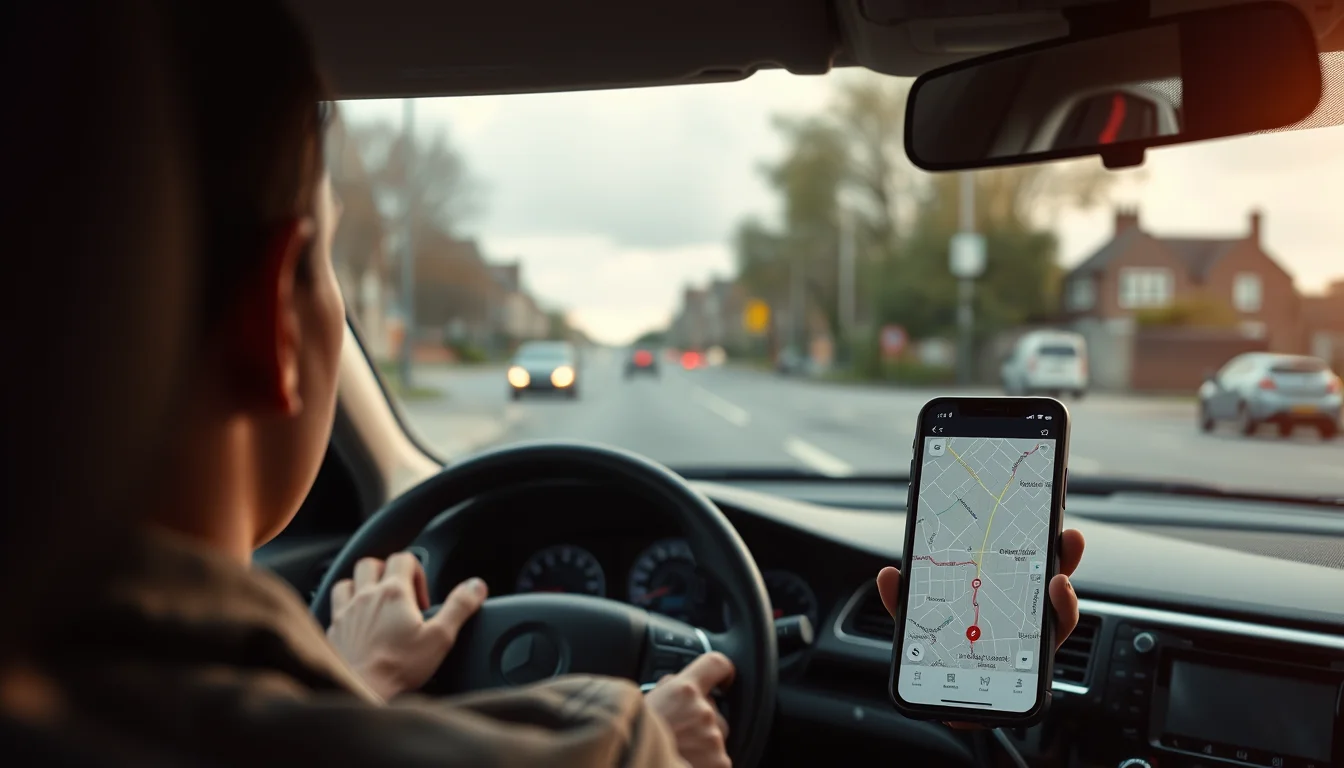
When you start driving for Uber you are not an employee. Nobody deducts tax for you, there is no payslip, and the full amount that lands in your bank account is not yours to keep. A portion of it belongs to HMRC and it is your job to work out how much and hand it over on time.
That sounds daunting the first time. It is genuinely manageable once you know the sequence.
Step 1: Register as self-employed
Tell HMRC you have started working for yourself. The deadline is 5 October 2027-style: 5 October following the end of the tax year in which you started. So if you started driving in June 2026 — inside the 2026/27 tax year — you must register by 5 October 2027.
Do not wait. Register in your first few weeks. You will be issued a Unique Taxpayer Reference (UTR), a ten-digit number you need in order to file anything, and it takes time to arrive by post.
Step 2: Separate your money on day one
Open a second bank account purely for driving. It does not have to be a business account while you are a sole trader, just a separate one. Every payment from Uber goes in; every driving cost comes out. This single habit saves more grief than anything else on this list, and it makes your records under Making Tax Digital far easier if you ever cross that threshold.
Step 3: Set money aside every single week
This is where new drivers come unstuck. The money arrives weekly, the bill arrives eighteen months later, and in between it is very easy to spend it.
Step 4: Keep the right records from the start
- Download your Uber weekly statements and keep them — they show gross fares, the service fee and tips, which is exactly what a return needs
- Photograph every receipt the moment you get it. Thermal fuel receipts fade to blank within months
- Log your mileage, splitting business from private. Whichever expense method you use, you will need this
- Keep every licensing, insurance and vehicle document
Step 5: Understand when your first bill actually lands
This surprises everyone. If you started driving in June 2026, that falls in the 2026/27 tax year, which ends on 5 April 2027. Your return for it is not due until 31 January 2028 — and that is also when the tax is payable.
So you could be driving for over eighteen months before you pay a penny. That is a long time for the money to look like yours. It is not. And bear in mind that at the same time you may also owe a payment on account towards the following year.
Step 6: Work out your profit
Total gross fares and tips, minus your allowable expenses. Note gross fares — the full fare the passenger paid, before Uber's service fee — with the service fee then claimed as one of your expenses. Doing it the other way round understates both figures and causes problems if HMRC ever compares your return with the data platforms provide.
You then pay nothing on the first £12,570 of total income, 20% up to £50,270, and 40% above that, plus Class 4 National Insurance at 6% on profits between £12,570 and £50,270.
Step 7: File it
Online, by 31 January. You will need your UTR, your Government Gateway login, your income and expense totals, and details of any other income such as a salary or benefits.
Or send us your Uber statements and we will do the whole thing — including checking whether Making Tax Digital applies to you and whether you should be thinking about a limited company yet. Most new drivers are with us for well under the cost of one late-filing penalty.
Questions drivers ask about this
Would you rather not think about any of this?
That is exactly what we are for. Send us your Uber statements and we will handle the return, the quarterly updates and the deadlines — and tell you honestly if there is a better way for you to be set up.